The latest ReLAB-HS clinical skills training programme in Pakistan has sparked a movement within Ziauddin University, with the initiative “Let’s Get Fit Together” continuing to thrive. The founders aim to extend its reach into the wider community and beyond.
In February 2024, 21 rehabilitation professionals from Sindh and KP provinces completed the ReLAB-HS Clinical Skills Training, focusing on Rehabilitation in the Community Setting. The course covered various topics on the advantages of exercise and how to incorporate more physical activity into clinical practice and community spaces.
This 14-week hybrid programme, the second of its kind in Pakistan and created on the basis of the Clinical Skills Training Tool from the IRETT, combined online courses on Physiopedia Plus, virtual mentoring sessions, discussions through the Rehabilitation Community Platform and a 3-day face-to-face training event organised by Ziauddin University in Sindh. Participants were mentored by local and international experts such as Neelum Zehra (occupational therapist from Ziauddin University), Dr Sabina Khan (women’s health specialist from St Augustine’s University, USA) and Dr Candace Vermaak (biokineticist from Stellenbosch University, South Africa).
The programme not only introduced participants to a range of exercise initiatives and governmental programmes supporting community health, but also provided a valuable opportunity for rehabilitation professionals — including physiotherapists, occupational therapists, prosthetists/orthotists, a speech and language pathologist and a rehabilitation physician — to engage with peers from other provinces, exchanging ideas and practices.
“We want to encourage physical activity among students and faculty, making it a sustainable habit.” – Maha Siddiqui
Maha Siddiqui, a physiotherapist and senior lecturer at Ziauddin University, was one of the participants of this innovative training. Inspired by a mentoring session with Dr Candace Vermaak, Maha collaborated with other participants and faculty members, especially Ms Quratulain Adnan, Principal of Ziauddin College of Physical and Occupational Therapy, to promote physical activity within the university.
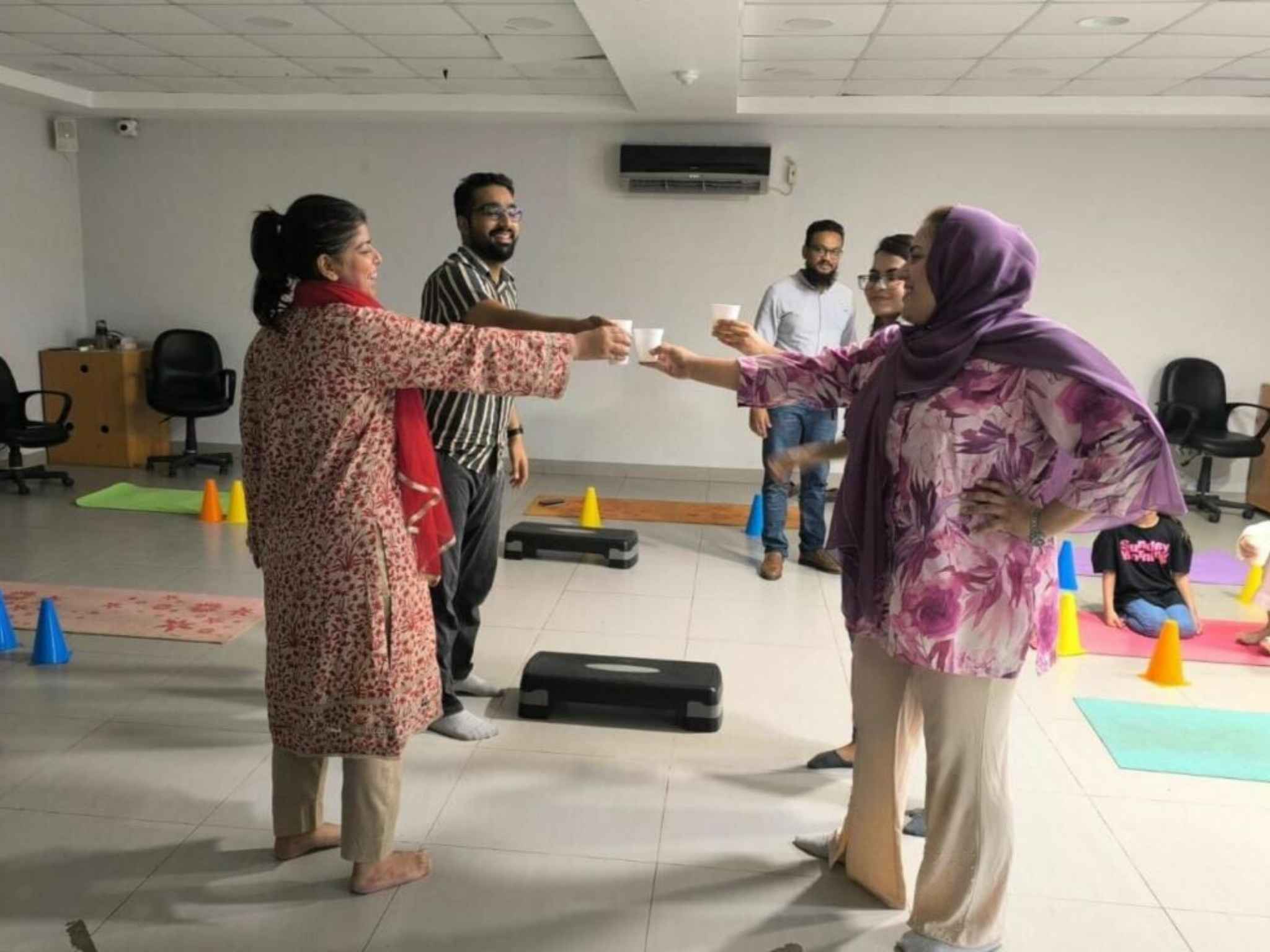
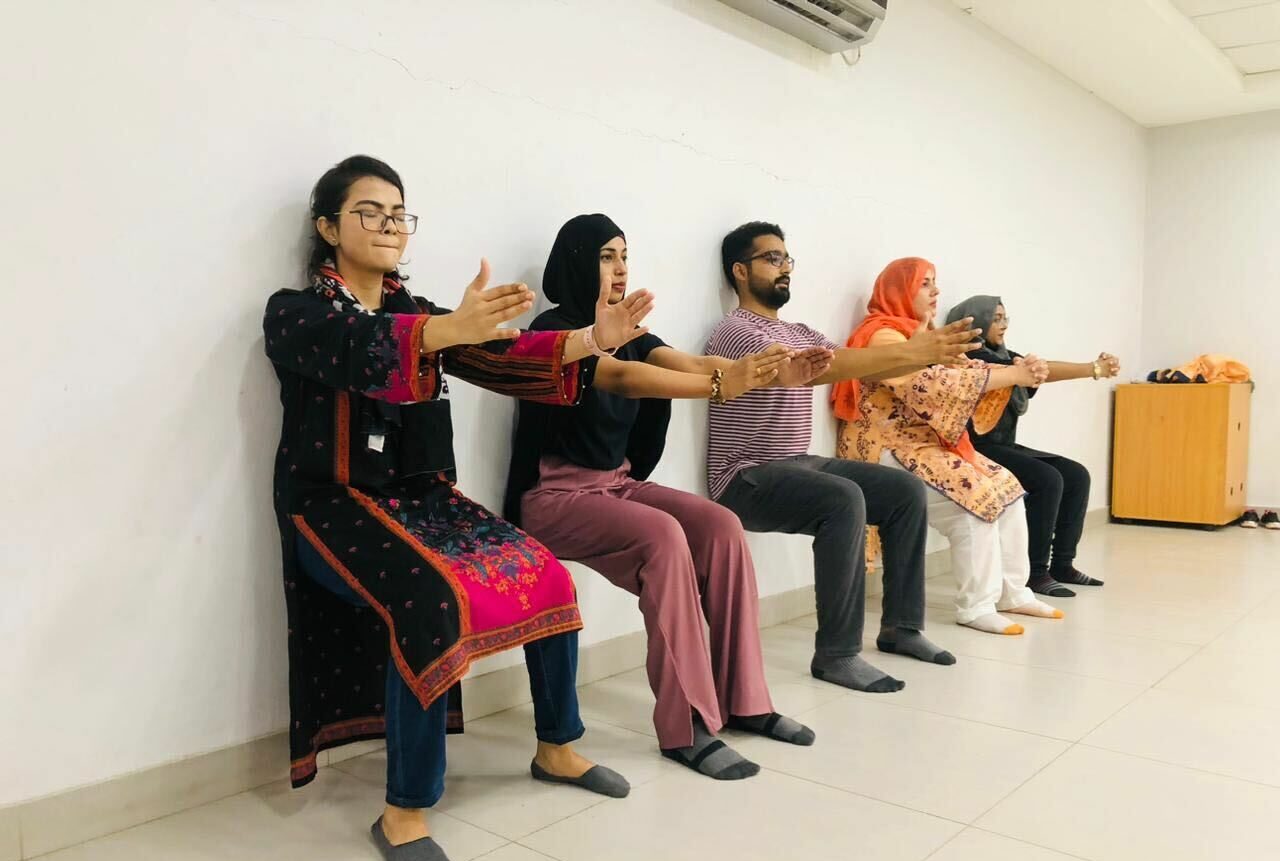
Their project, “Let’s Get Fit Together,” started as a pilot programme, encouraging final-year students and staff across three Ziauddin campuses to take part in high-intensity fitness and yoga sessions, accommodating different fitness levels.
“We conducted sessions across three campuses, involving a total of 100 participants, including both students and faculty…For those not fit for high-intensity programs, we launched a yoga program… It was important to us to include everyone and promote physical activity in any form.”

The daily sessions, led by volunteer faculty members, featured different themes to keep participants engaged. Outcomes were assessed through pre- and post-session evaluations of heart rate, blood pressure, and participant feedback. Both men and women were encouraged to participate together following the same routines.
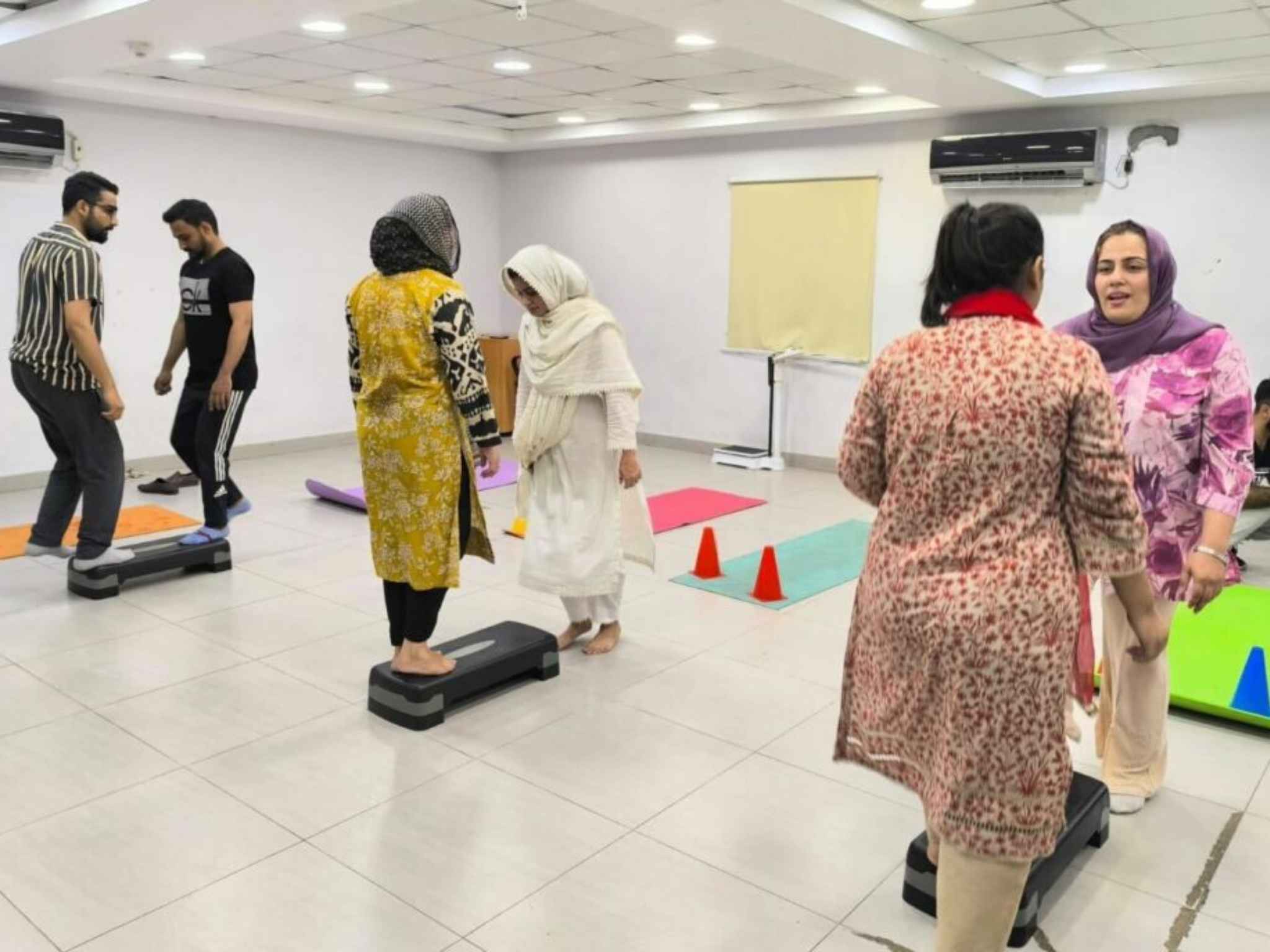
“We saw that when women are pushed to similar limits they have the potential to outperform men.”
Despite some dropouts, the project was well-received, with many participants eager to continue. The initiative now runs regularly, with free sessions for both students and faculty held three times a week, led by volunteer staff.
“The ultimate goal is to integrate fitness into daily life and expand the initiative to the community and government level.” – Maha Siddiqui
Looking forward, the team hopes to introduce the programme to the wider community and propose its integration into local education systems, with the aim of making physical activity a key part of everyday life at all levels.
The success of “Let’s Get Fit Together” highlights the impact of the USAID-supported ReLAB-HS clinical skills training programme. The dedication of Maha Siddiqui and the team at Ziauddin College of Physical and Occupational Therapy has laid the foundation for sustainable health practices and broader community involvement.
– Maha acknowledges the support of her dedicated colleagues and the management team at Ziauddin College of Physical and Occupational Therapy for the project’s success.