Pakistan, like many regions globally, faces the challenge of developing a rehabilitation workforce that meets growing population needs. Through comprehensive stakeholder engagement including workshops and surveys, stakeholders in Khyber Pakhtunkhwa (KP) and Sindh provinces identified the need to align their rehabilitation programs with international standards.
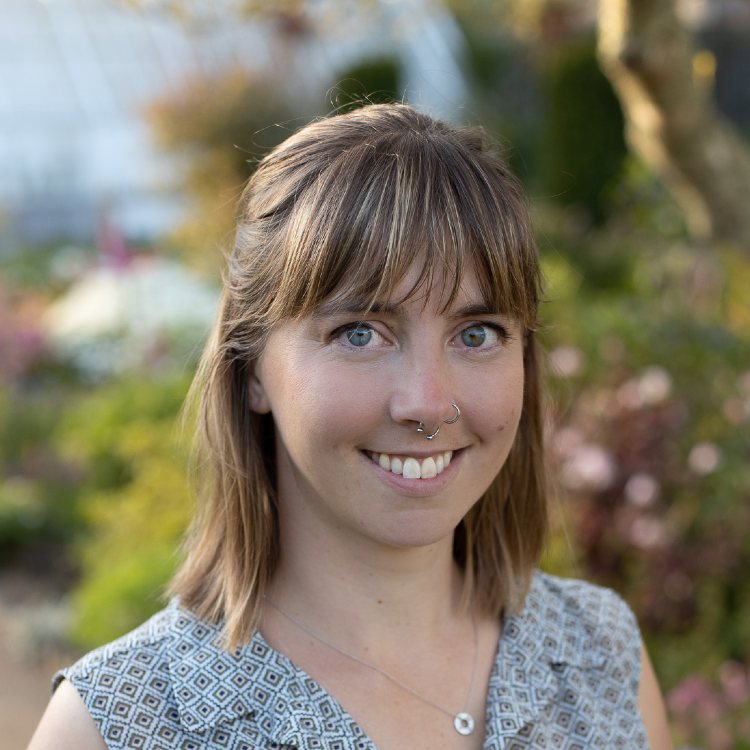
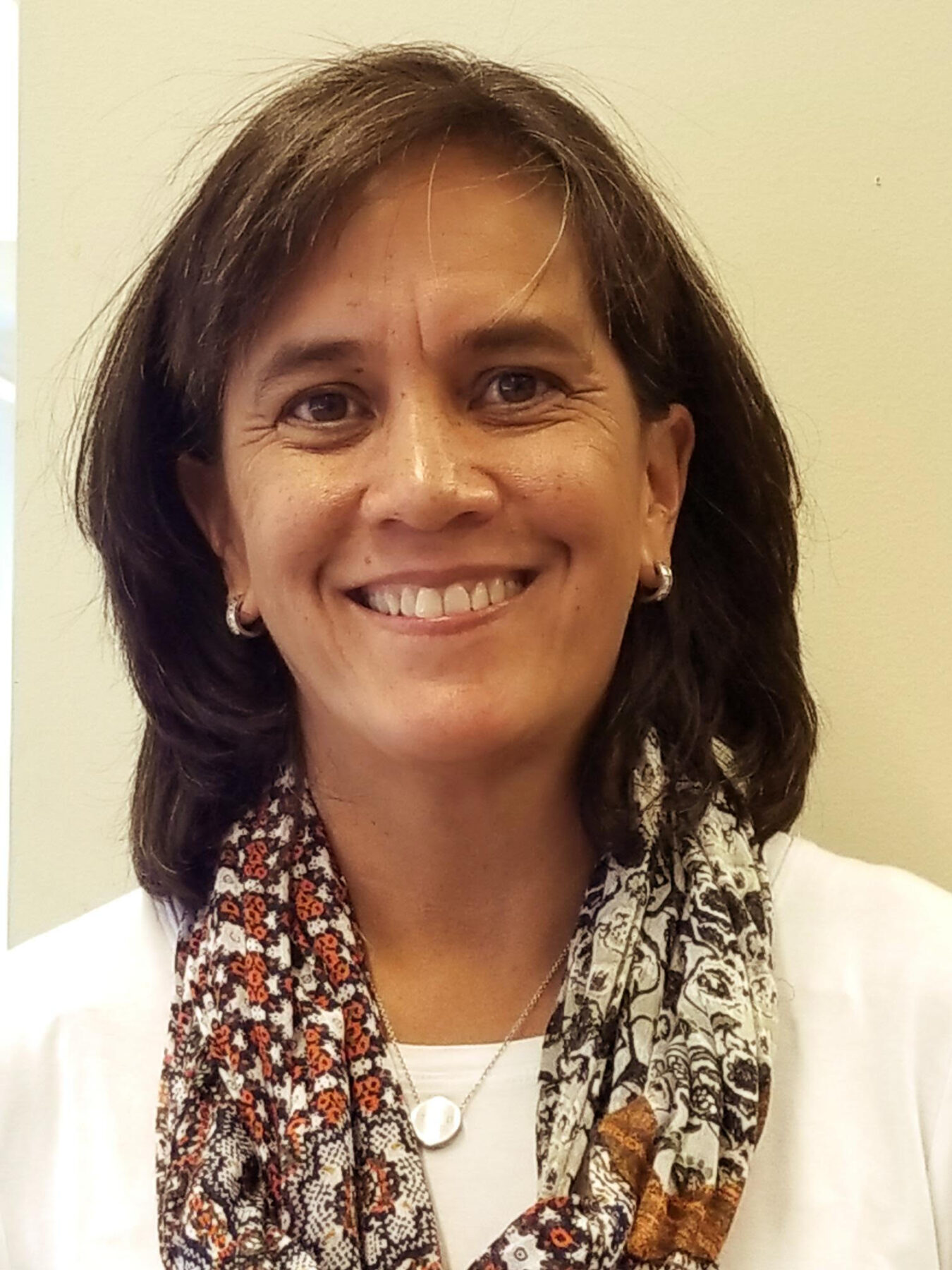
Four universities chose to participate in the project and Physiopedia supported them in their journey to strengthen twelve academic programs across four key rehabilitation professions: Physiotherapy, Occupational Therapy, Prosthetics & Orthotics, and Speech & Language Therapy. Under the guidance of international mentor Cheryl Footer and national coordinator Neelum Zerha, participating institutions – Ziauddin University, Pakistan Institute of Prosthetics and Orthotic Sciences (PIPOS), Sindh Institute of Physical Medicine and Rehabilitation (SIPMR), and Khyber Medical University (KMU) – embarked on a comprehensive program review and development process.
A remarkable outcome of this initiative was the unprecedented level of collaboration it fostered. The APRT process created a platform for interprofessional and inter-institutional knowledge exchange, breaking down traditional silos between professions and institutions. Faculty from different universities and disciplines shared experiences, provided feedback on each other’s programs, and worked together to solve common challenges. This collaborative approach strengthened not only individual programs but also built lasting professional networks across Pakistan’s rehabilitation education community.
Using the Academic Program Reflection Tool (APRT), each program undertook a structured review process to identify opportunities for enhancement. This systematic approach helped align curricula with international standards, including the World Federation of Occupational Therapists (WFOT) Education Standards and World Physiotherapy Education Framework. The APRT’s reflective methodology enabled programs to evaluate and strengthen key components including program philosophy, outcomes, curriculum design, and resource allocation.
Key achievements include:
This multi-university initiative demonstrates how systematic program review and development, supported by international mentorship and guided by established tools, can drive meaningful improvements in rehabilitation education. The project exemplifies effective collaboration between international expertise and local leadership to strengthen rehabilitation education across multiple professions and institutions.
Currently, participating universities continue to implement their action plans and work toward national recognition of their enhanced programs. This coordinated effort contributes to Pakistan’s capacity to develop a skilled rehabilitation workforce aligned with international standards, while the collaborative networks formed during the project continue to support ongoing development and innovation in rehabilitation education.
If you would like to learn more about this initiative or discuss similar program development projects, please contact us.
USAID
This project was made possible by the support of the American people through the United States Agency for International Development (USAID) through the “Learning, Acting and Building for Rehabilitation in Health Systems” (ReLAB-HS) activity, and implemented by Physiopedia.