During a recent clinical skills training event organised by ReLAB-HS in Burma, physiotherapists in Yangon embraced the opportunity to improve their skills and knowledge in caring for stroke patients.
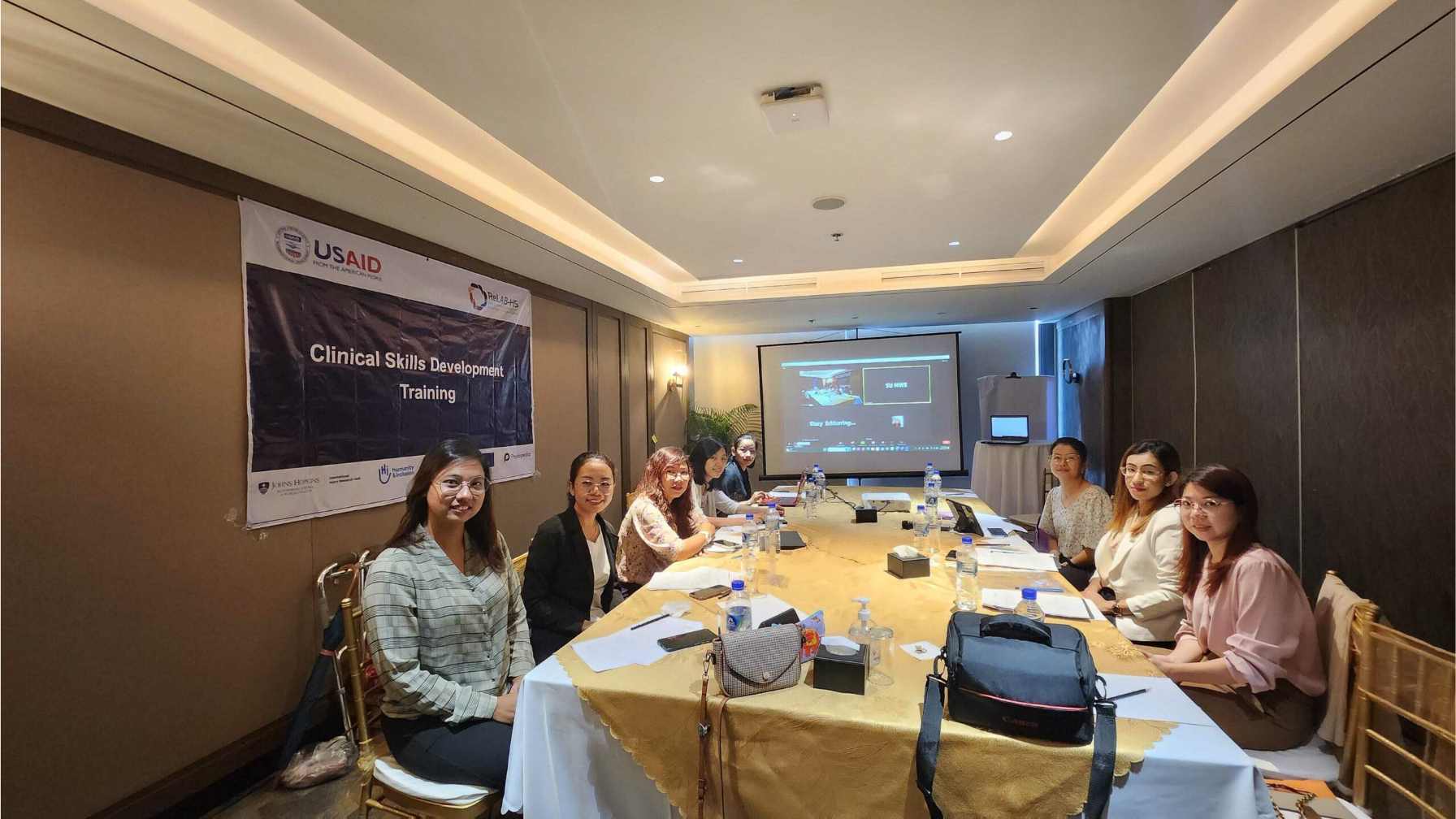
The ReLAB-HS clinical skills training programme for rehabilitation professionals in Burma, designed to address challenges arising from limited continuing professional development (CPD) pathways coupled with increasing demands for rehabilitation due to political uncertainty, stands out. This two-day training session served as a key segment of a seven-month comprehensive hybrid training initiative, meticulously designed to meet the needs of Burma’s rehabilitation professionals. Following a series of online courses and interactive webinars, nine physiotherapists from Yangon came together to upgrade their technical and practical skills in the treatment of stroke patients.
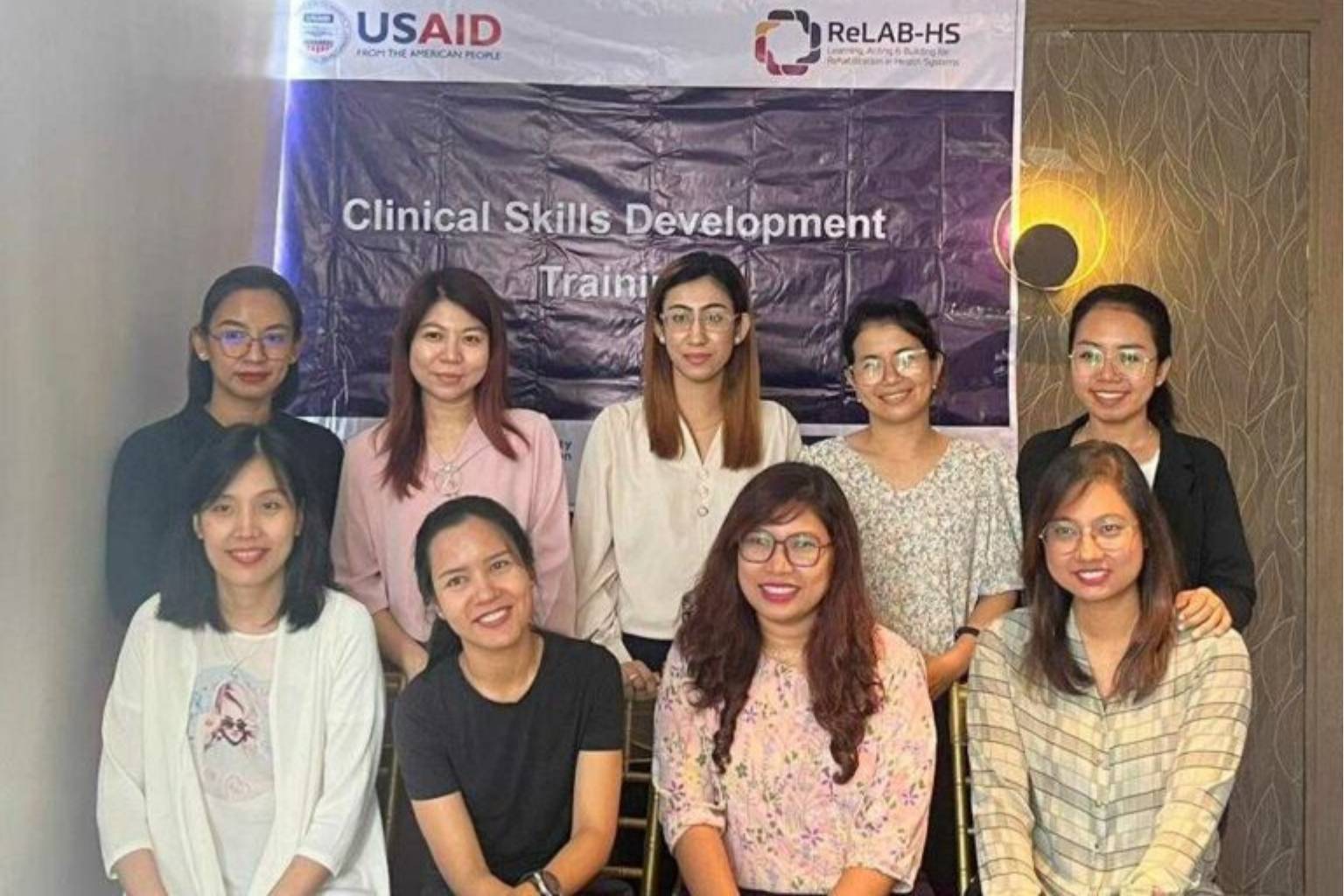
Prior to the face-to-face training, participants completed the Stroke Programme on Physiopedia Plus, engaged in live webinars led by international mentor Stacy Schiurring, a physiotherapist, and actively participated in discussions within a dedicated private group on the Rehabilitation Community platform. To round off the hybrid training, practical skills sessions were expertly overseen by local facilitator and Physiopedia educational representative, Hsu Wai Mon Oo, alongside international mentor Stacy Schiurring, and workforce development specialist Martina Lukin.
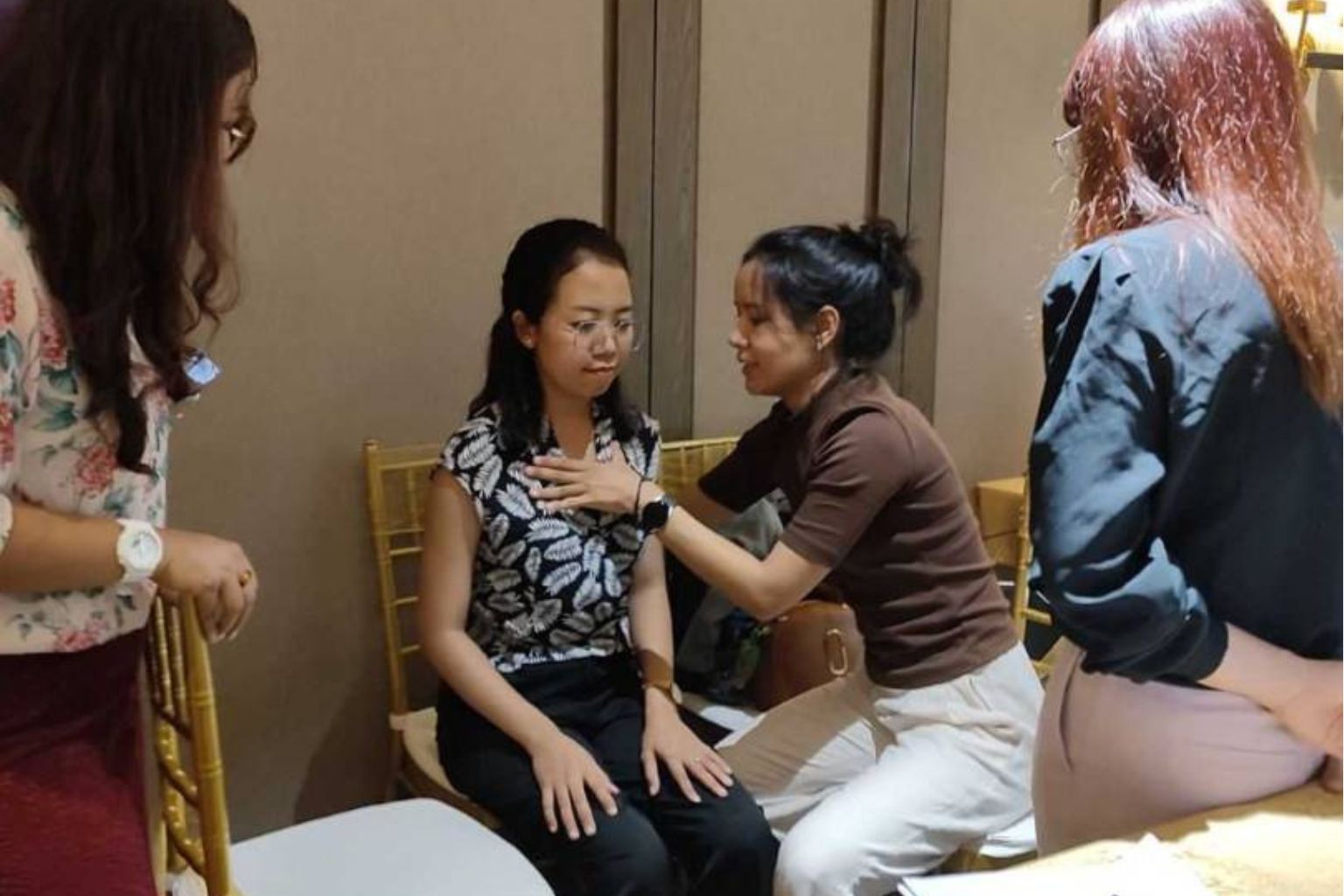
The training explored the importance of goal setting, evidence-based outcome measures, treatment planning and practical skills development. The opportunity to exchange knowledge, share experiences and explore various treatment approaches, both with an international mentor and among peers, was invaluable, especially in a context where peer support opportunities are scarce. Participants emphasised the value of face-to-face interaction to discuss and practice the treatment techniques covered in the online modules.
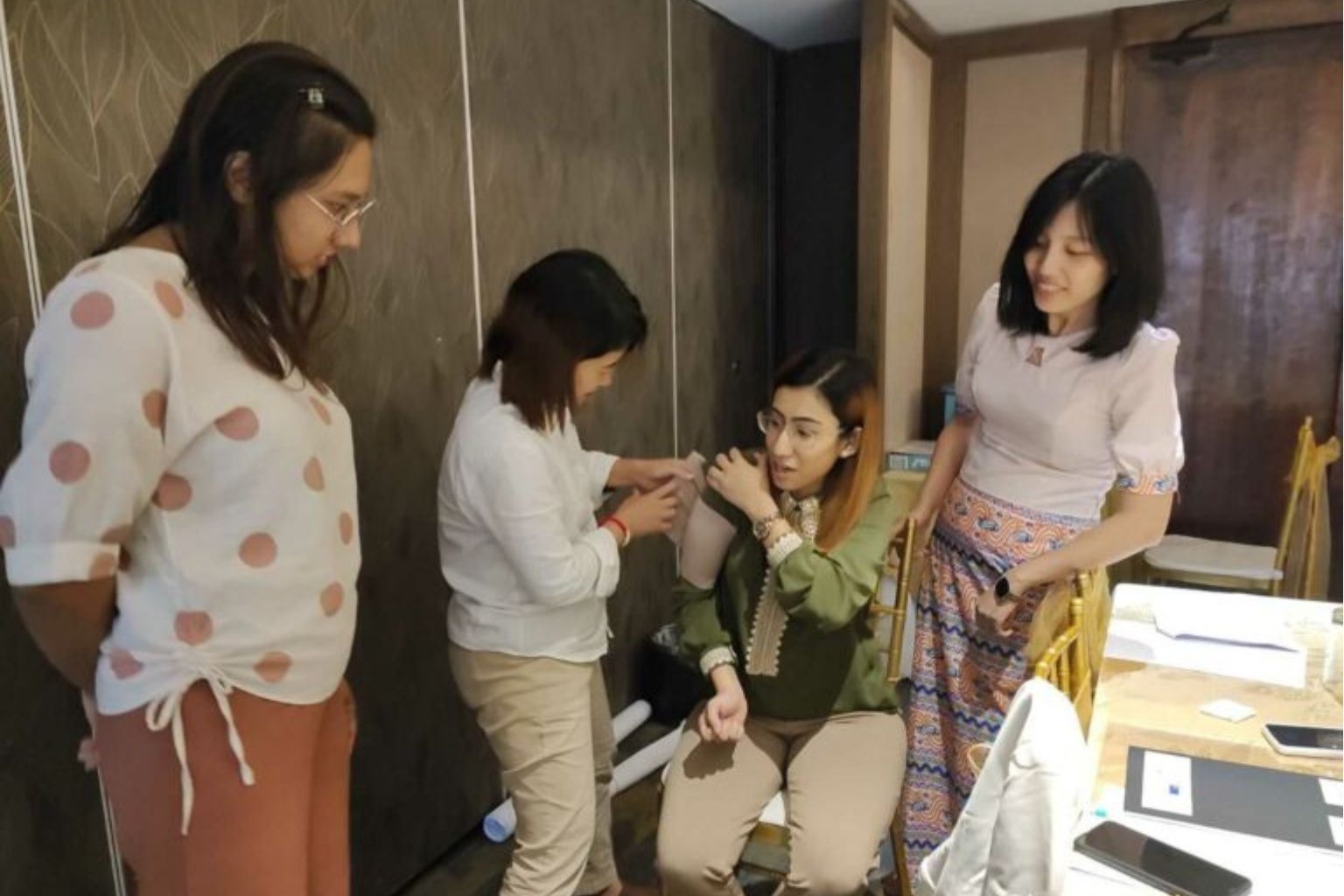
The ReLAB-HS clinical skills training programme is paving the way for rehabilitation professionals in Burma to upgrade their competencies, helping to improve the delivery of quality rehabilitation services in the community. In addition, this initiative will contribute to the development of the Clinical Skills Training Tool.