A recent clinical skills training programme provided a unique opportunity for a diverse group of rehabilitation professionals in Pakistan to observe and train at a leading spinal cord injury (SCI) rehabilitation centre in Peshawar. This experience ignited a movement to enhance rehabilitation outcomes in a nearby province.
In Pakistan, interdisciplinary practice among rehabilitation professionals remains a developing concept. While collaboration towards shared patient goals is infrequent, there is a growing momentum among these professionals to adopt a more cohesive approach founded on interprofessional collaboration principles.
In September 2023, 14 rehabilitation professionals from Sindh and Khyber Pakhtunkhwa provinces completed a comprehensive 3-month training programme covering all facets of SCI management. This programme included online courses via Physiopedia Plus, virtual mentoring sessions with international experts, and discussions on the Rehabilitation Community Platform.
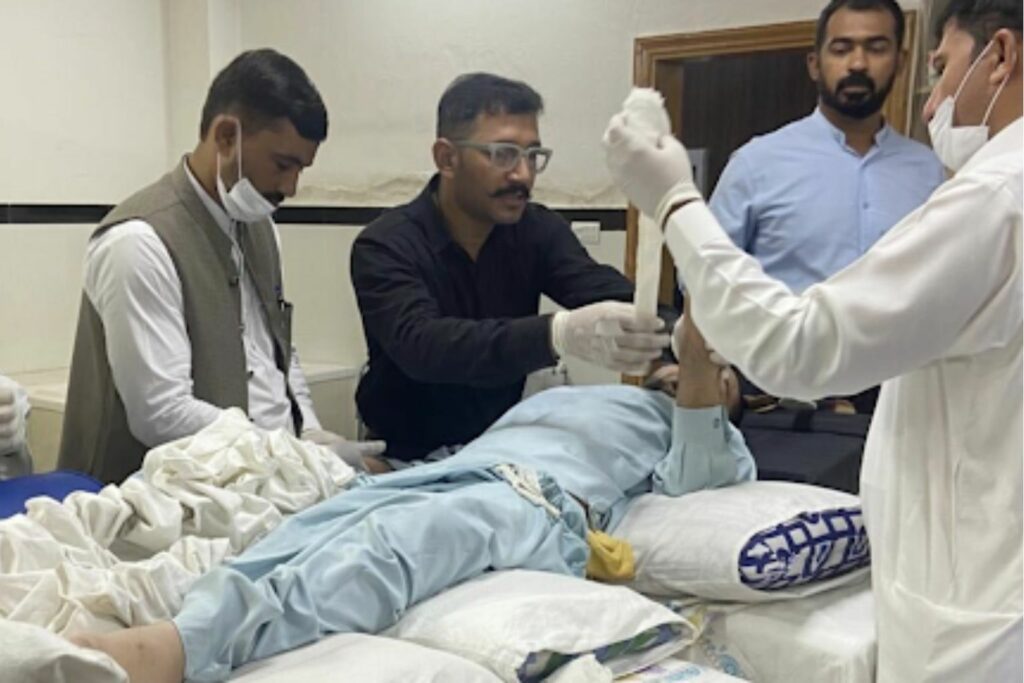
A significant aspect of the training was a 3-day in-person hands-on session hosted by the Paraplegic Centre Peshawar (PCP). This session provided a unique opportunity for participants, including occupational therapists, physiotherapists, prosthetics and orthotics specialists, speech and language therapists, and clinical psychologists, to interact face-to-face, exchange experiences, and discuss management approaches.
Clinical skill training has been an integral part of my continued professional development, offering a bridge between theoretical knowledge and practical application. The hands-on experience gained through this training has been invaluable, enhancing my ability to assess, diagnose, and manage patient care effectively – Nabeela Wali, occupational therapist, Ziauddin University
Inspired by the quality of care and interprofessionalism at PCP, Neelum Zehra, an occupational therapist from Ziauddin University, alongside other motivated participants from Sindh Province, endeavored to implement their learnings by enhancing rehabilitation services in Karachi.
Despite being one of the largest rehabilitation facilities in Pakistan, Sindh Trauma Centre lacks occupational therapy services and a culture of interprofessional collaboration. However, under the leadership of Neelum Zehra and Nabeela Wali who successfully completed the first clinical skills training programme, the rehabilitation staff at the centre are gearing up to undergo a similar training programme facilitated by the Clinical Skills Training Tool. This training programme, as part of a wider plan for continued professional development, aims to strengthen the rehabilitation workforce, improve patient outcomes and foster interprofessional collaboration. Additionally, the decision to incorporate an occupational therapist into the team marks a significant step forward for the Sindh Trauma Centre.
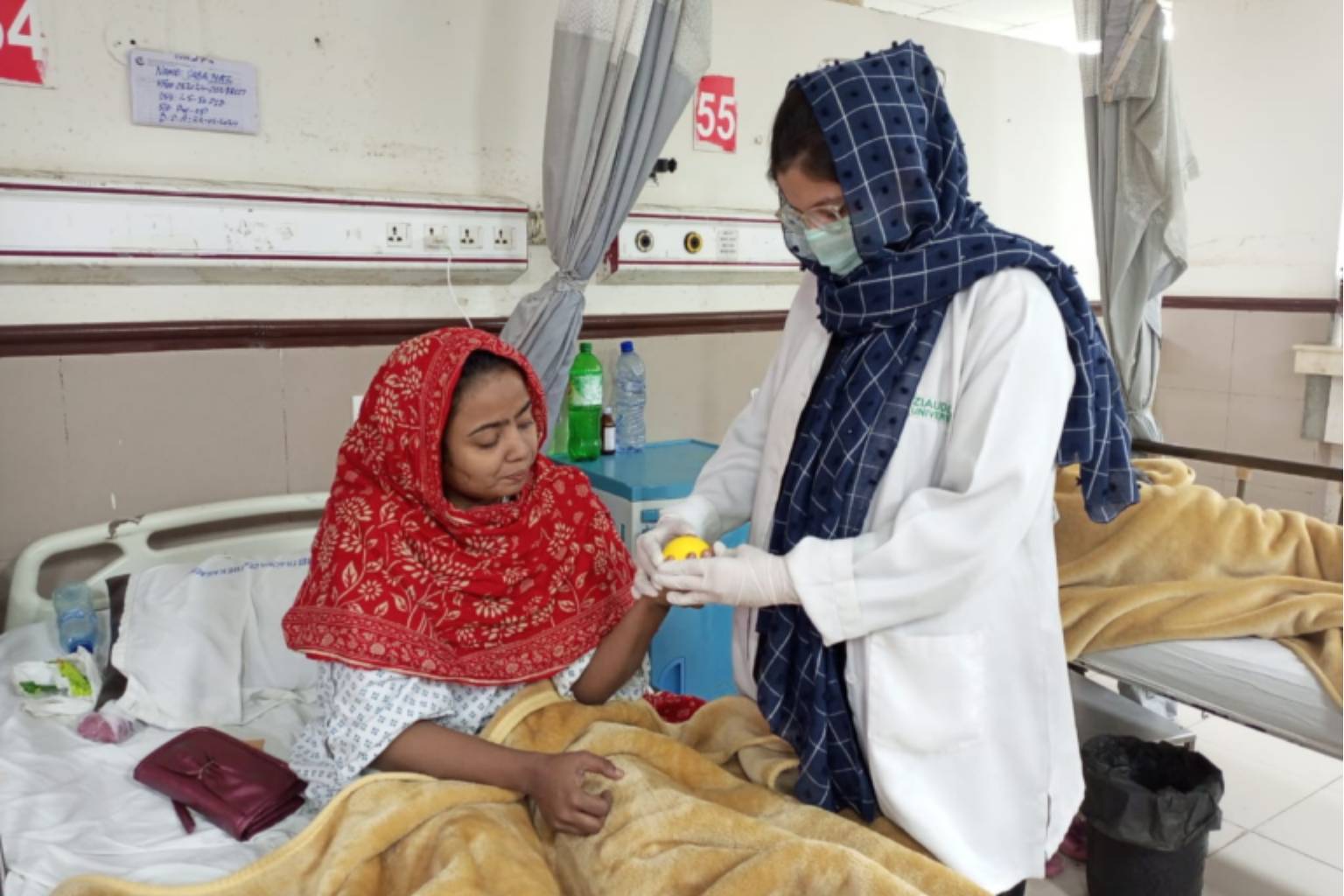
“I am obliged to learn clinical skills from skilled professionals and now transferring learned skills into my students with practical implementation. It has been a transformative journey, shaping me into a more empathetic and skilled healthcare professional.” Nabeela Wali, occupational therapist, Ziauddin University
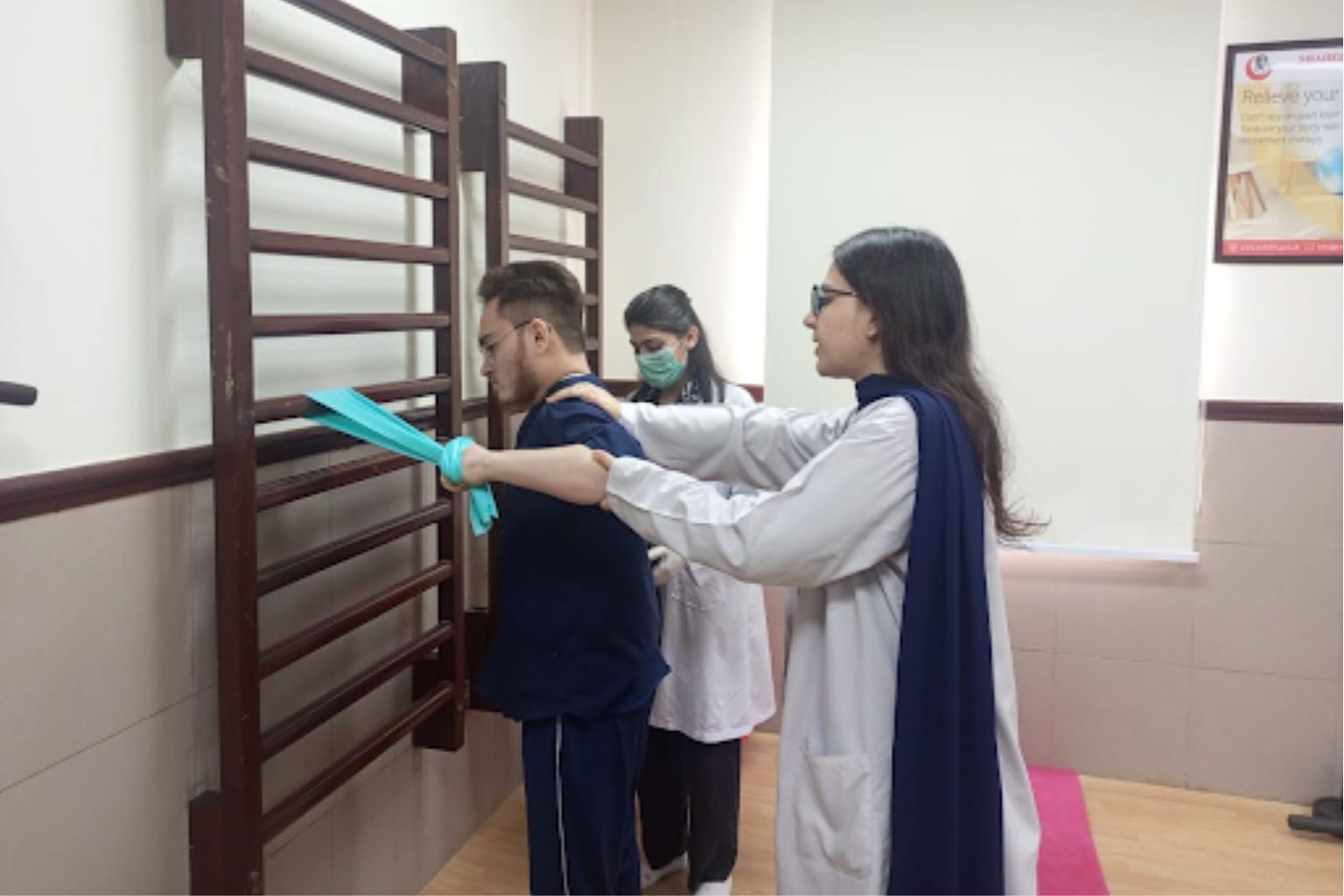
The effort to enhance rehabilitation services underscores the significance of the implementation of clinical skills training in enabling rehabilitation experts to initiate beneficial transformations within their workplaces and communities. Crucially, the execution of clinical skills training by a local team of rehabilitation professionals showcases the durability of the concept, highlighting its potential for replication in diverse settings.
The clinical skills training tool provides guidance for devising and implementing clinical skills training programmes similar to the one successfully implemented in Pakistan, adaptable to a variety of contexts around the world.