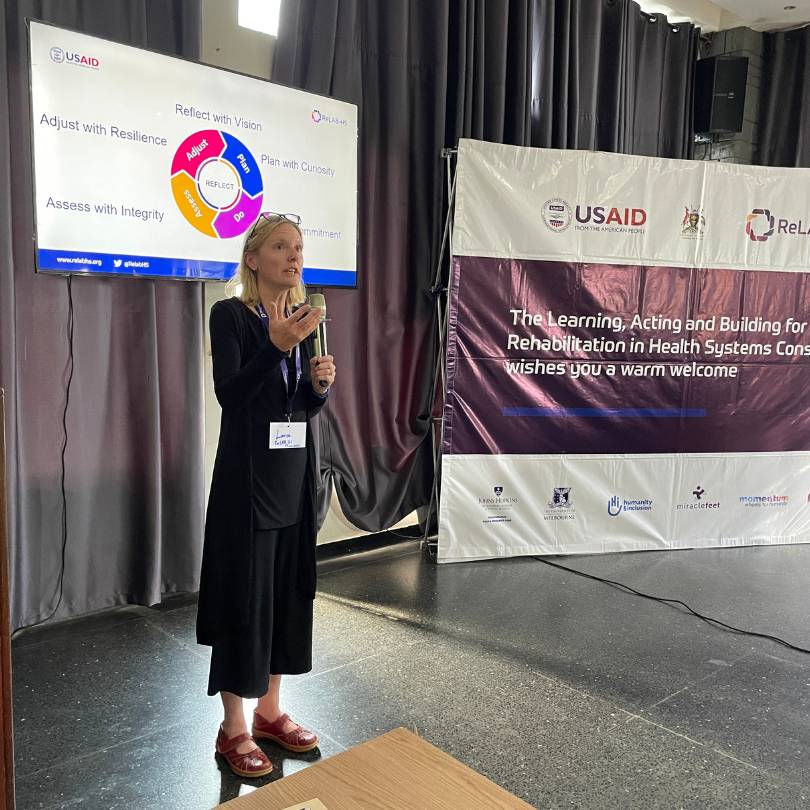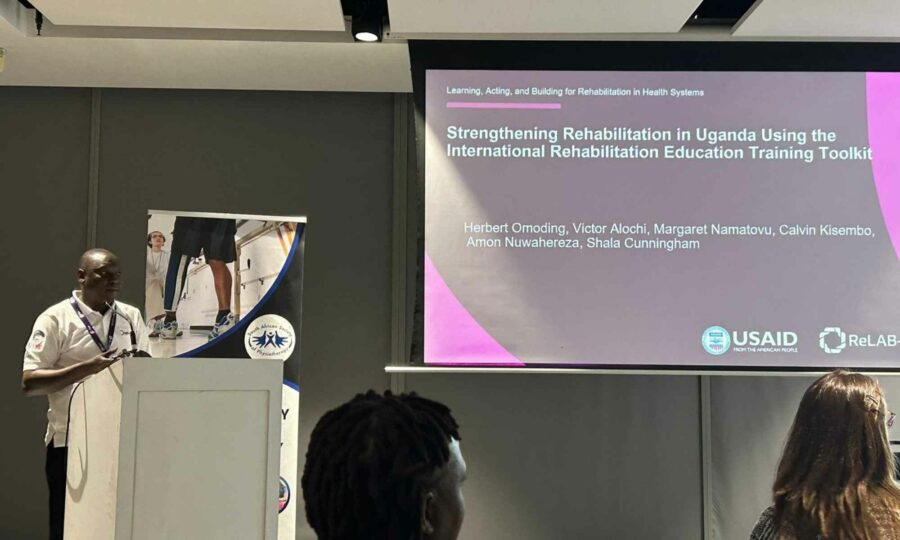
A recent publication by the Physiopedia team, conducted as part of the ReLAB-HS activity and contributing to the development of the Clinical Skills Training Tool (CSTT), highlights opportunities to advance global rehabilitation workforce development through collaborative efforts aimed at delivering effective training. The full text of this study is freely accessible here.
Rehabilitation services are defined as ‘interventions designed to optimise functioning and reduce disability in individuals with health conditions in interaction with their environment’. These services encompass a wide range of professions, including physiotherapy, occupational therapy, speech and language therapy, audiology, prosthetics and orthotics, physical and rehabilitation medicine, psychology, and social work. As the global demand for rehabilitation services grows, there is increasing awareness of the importance of strengthening the rehabilitation workforce. One promising route is through sustainable advanced education for professionals, achieved via continuing professional development (CPD).
While CPD empowers rehabilitation professionals, information regarding its availability and accessibility in low- and middle-income countries (LMICs) remains limited. Barriers such as high costs, inconsistent internet access, and scarce resources often hinder progress in these regions. As part of ReLAB-HS, Physiopedia recently conducted a mixed-methods exploratory study to better understand the global landscape of CPD for rehabilitation professionals, with a specific focus on LMICs. This research aimed to:
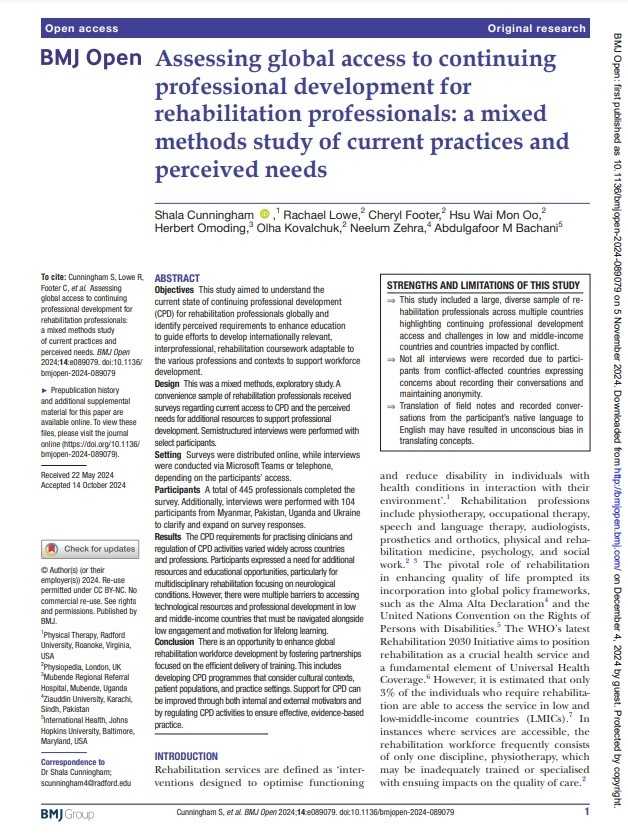
The study involved surveys and structured interviews with 549 rehabilitation professionals worldwide. Findings revealed considerable variation in CPD requirements and regulatory practices across countries and professions. Participants highlighted a strong demand for more resources and training opportunities, particularly in multidisciplinary rehabilitation for neurological conditions. However, LMIC professionals face persistent challenges, including limited access to technology and reduced engagement in lifelong learning.
Opportunities exist to strengthen the global rehabilitation workforce by fostering partnerships that prioritise the effective delivery of training. This could involve designing CPD programmes that take into account cultural contexts, patient demographics and practice environments. Enhancing support for CPD may be achieved through a combination of internal and external motivators, as well as implementing regulations to ensure activities promote effective, evidence-based practice.