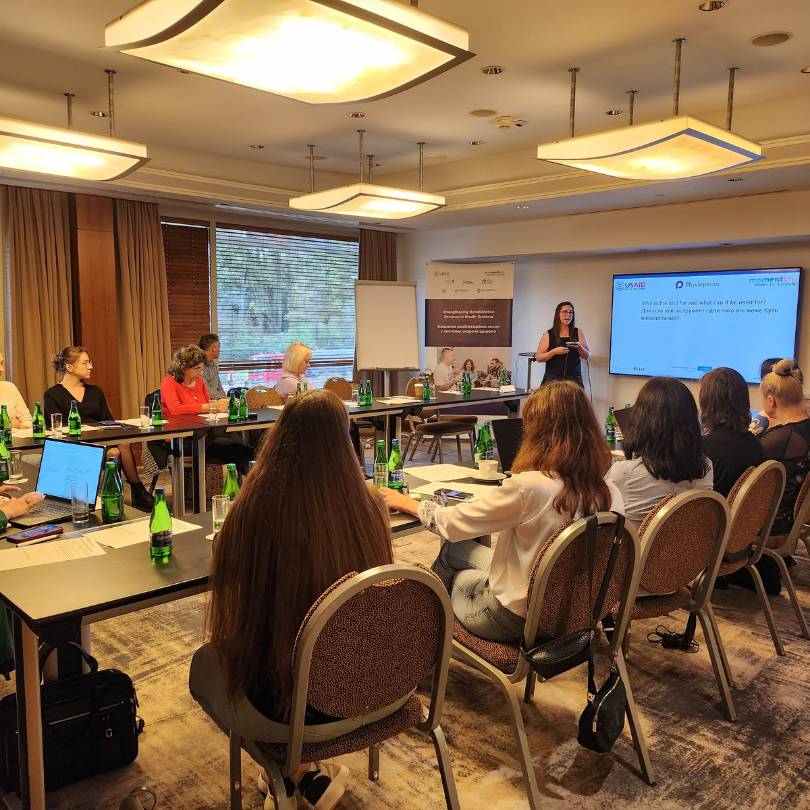
The International Rehabilitation Education and Training Toolkit (IRETT) comprises a suite of resources that can be integrated into any region’s education or training activities that support workforce development in order to build rehabilitation capacity and improve the quality of rehabilitation care.
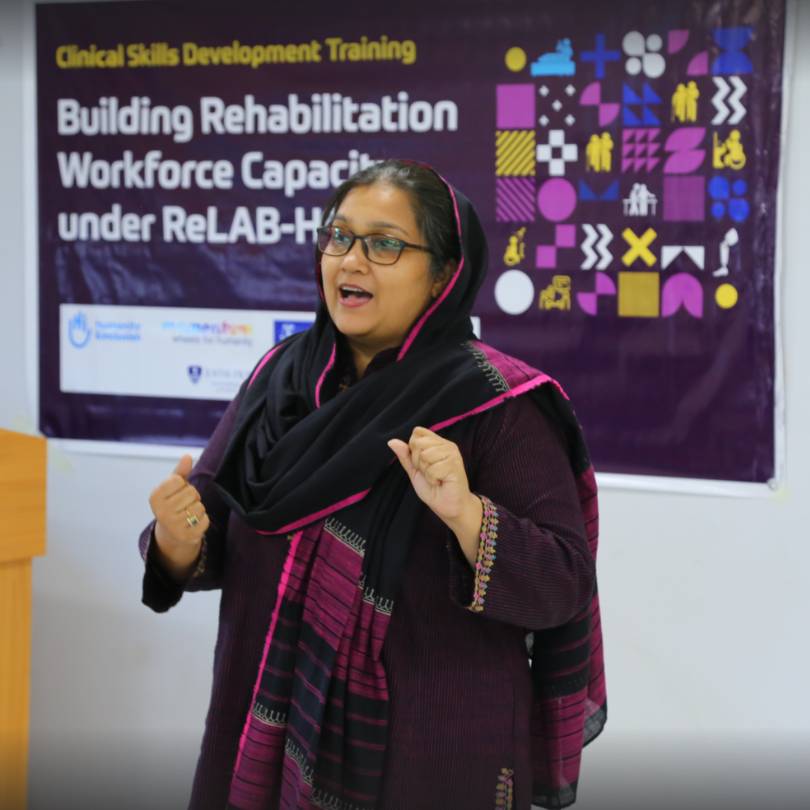
To ensure there is an appropriate number and mix of rehabilitation workers as determined by population needs, service requirements and models of care, appropriate pre-service training at suitable educational institutions must be available. There is an obligation of academic entry-level programs to prepare the workforce with knowledge, skills, and behaviors that align with global standards.
For quality performance of rehabilitation workers and the delivery of safe patient care, rehabilitation professionals should undergo a continual cycle of professional development while they are in-service. There is an obligation for organizations to provide access to quality evidence-based training to rehabilitation professionals to ensure that clinical practice is current, safe and effective.
For the provision of safe and effective patient care, it is important that rehabilitation professionals are formally regulated. There is an obligation for rehabilitation professionals to display professionalism by committing to responsibility and integrity, as well as ethical and practice standards. Enforcement of these standards should be set out by regulating agencies that govern professional qualifications and competence.
Many factors that underlie rehabilitation workforce challenges stem from a limited awareness of the role and value of the rehabilitation professions among policymakers, health professionals and the general public. Rehabilitation organizations must play a pivotal role in raising awareness of the key role and values that rehabilitation professionals play in a quality and integrated health services.
Academic Program Reflection Tool (APRT)
Uses a reflective review process to identify opportunities to create meaningful change to strengthen rehabilitation academic programs.
Professionalization and Regulation Reflection Tool (PRRT)
Uses a reflective review process to discover opportunities and create strategies that will professionalize and strengthen regulation of the rehabilitation professions.
Clinical Skills Training Tool (CSTT)
Features best practices in online, in-person, and hybrid clinical skills training and guides the creation of quality, accessible training programs that result in a positive clinical impact.
Rehabilitation Advocacy Tool (RAT)
Provides practical guidance to raise awareness of rehabilitation among policymakers, health care professionals, and the general public.
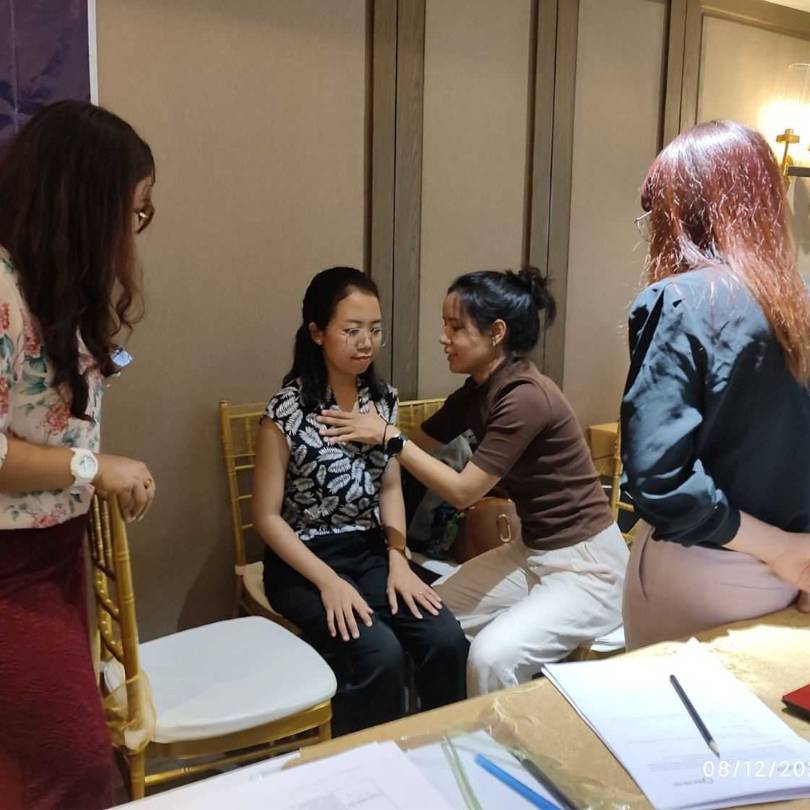
The rehabilitation workforce is essential to the provision of comprehensive and person-centered care. Rehabilitation professionals bring unique knowledge and skills to health care teams, help facilitate recovery, and optimize client outcomes. Yet, many regions around the world are challenged in providing a rehabilitation workforce with the appropriate number and mix of rehabilitation professionals that match population needs, service requirements, and models of care. Challenges often include a shortage of personnel, inadequate training programs, a lack of regulation, and inadequate awareness of the benefits of rehabilitation.
Strengthening the rehabilitation workforce by building supply, increasing quality of care, maximizing accessibility, and optimizing the utilization of services is a global priority highlighted by the “Strengthening rehabilitation in health systems” resolution adopted by World Health Organization (WHO) Member States at the World Health Assembly (WHA) in May 2023. The IRETT aims to complement initiatives from the WHO, the World Rehabilitation Alliance, professional associations, education institutions, and nongovernmental organizations and provides tools that practically support rehabilitation workforce strengthening initiatives in any context.
An evaluation of the rehabilitation workforce found that upgrading education programs, professionalizing and strengthening regulatory systems, creating professional development opportunities, and motivating advocacy efforts are common needs. These activities are often undertaken by professional associations, training institutions, or service providers, possibly supported by government ministries and development partners. The IRETT tools can be used by any of these organizations to practically guide rehabilitation workforce strengthening activities.
The composition of the rehabilitation workforce can vary between countries and settings; however, the competencies required to deliver rehabilitation are generally represented within the professions of audiology, clinical psychology, occupational therapy, prosthetics and orthotics, physiotherapy, and speech and language therapy, as well as by rehabilitation specialists in medicine (physical and rehabilitation medicine or physiatry) and nursing (rehabilitation nursing). In addition, the rehabilitation workforce often encompasses rehabilitation assistants, technicians, and community-based rehabilitation workers, or other health occupations delivering rehabilitation interventions.
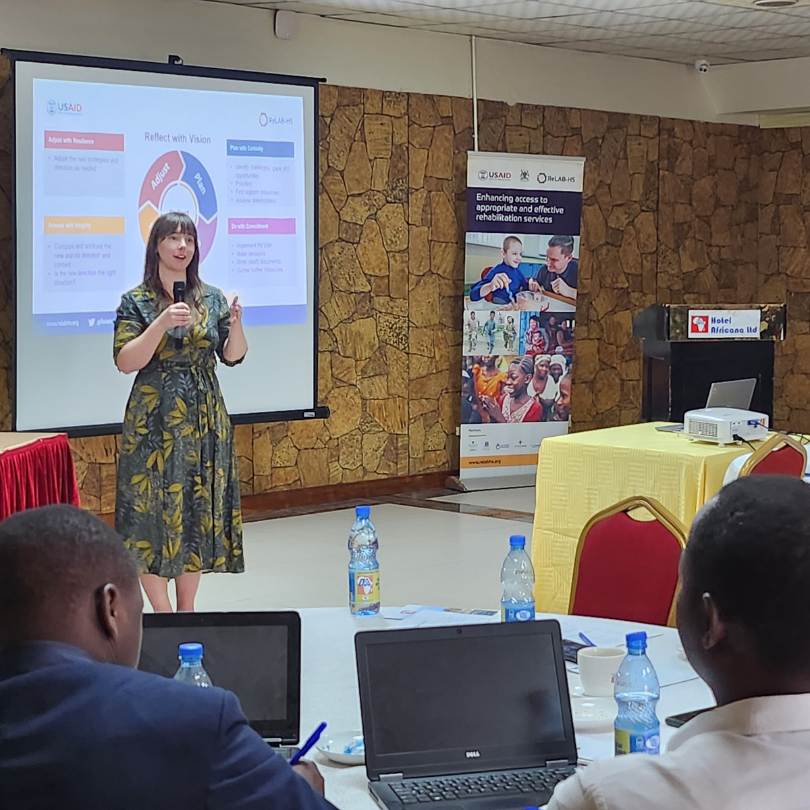
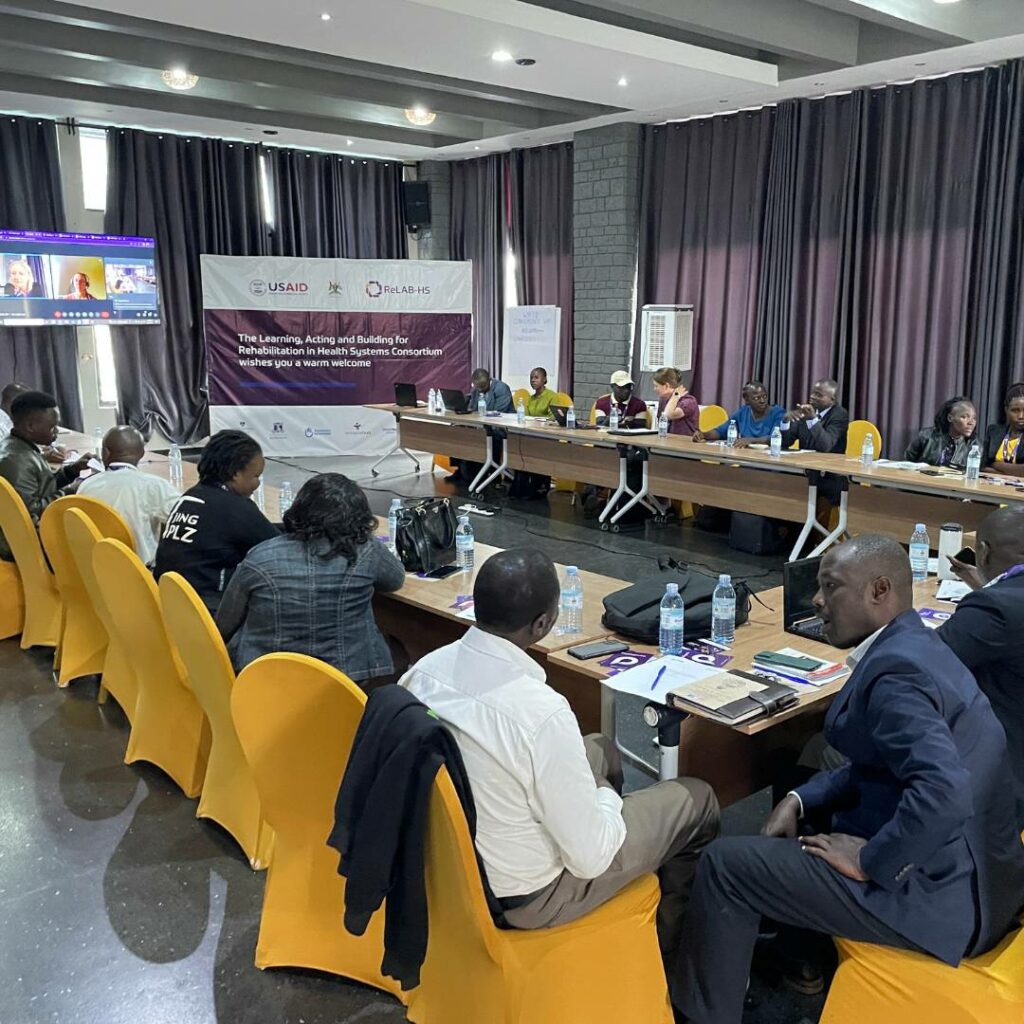
The process of developing new academic programs and/or reviewing existing programs, developing professional standards, delivering effective clinical training, and devising advocacy strategies can be overwhelming. With commitment from multiple stakeholders, implementation of the IRETT tools can guide the process in a way that is contextually relevant for the specific political landscape, organizational capacity, and local needs. Collaboration between all involved stakeholders, facilitated through focused workshops, regular meetings, mentorship, ongoing discussions, and the exchange of ideas and experiences, is vital to the process. The tools are designed to be used interprofessionally where there is a shared vision.
The IRETT was developed and implemented by Physiopedia through the Learning, Acting, and Building for Rehabilitation in Health Systems (ReLAB-HS) Activity funded by the United States Agency for International Development (USAID). Physiopedia responds to global rehabilitation workforce development needs. Through this, the IRETT provides tools to support global workforce capacity strengthening integrated in health systems.
Formative research identified common workforce development challenges and gaps to support overcoming these challenges. A working group of rehabilitation professionals with experience in academia, professional development, and regulation developed the tools based on lessons learned and examples gained from different implementation approaches and strategies used while piloting the tools in Burma, Pakistan, Uganda, and Ukraine. These pilots were successfully implemented thanks to the efforts of local academic institutions, professional associations, service providers, regulatory agencies, and government ministries.